How it works
Free design, disciplined underneath
A site can look like anything, but it has to stay fast, editable and yours. Those two aren't at odds — they just require that structure be thought out separately from appearance.
Content is kept apart from appearance
An ordinary site keeps the text mixed in with how it looks: colours, sizes, columns and margins, all in the same box. That's why a design change means rebuilding the site, and why one editing slip can break a page.
Here, a page says WHAT it holds — a heading, a list of services, a gallery, a form. How each of those looks is decided once, in components, for every screen size. Your text knows nothing about pixels, so it can't get them wrong.
What you can change yourself
- the text, directly on the real page, not in a separate form
- the images, from a library where you upload once and use anywhere
- the order of sections, what gets published and what stays a draft
- new posts and pages, with their own address and SEO
What you can't change, on purpose
There are no controls for colour, font, margin or columns. Not because they'd be hard to build, but because that is exactly where sites fall apart: after six months of free editing, nothing resembles what was delivered. If you need something the existing blocks can't hold, it means a component is missing — we build it, once, correctly on every screen.
How fast, concretely
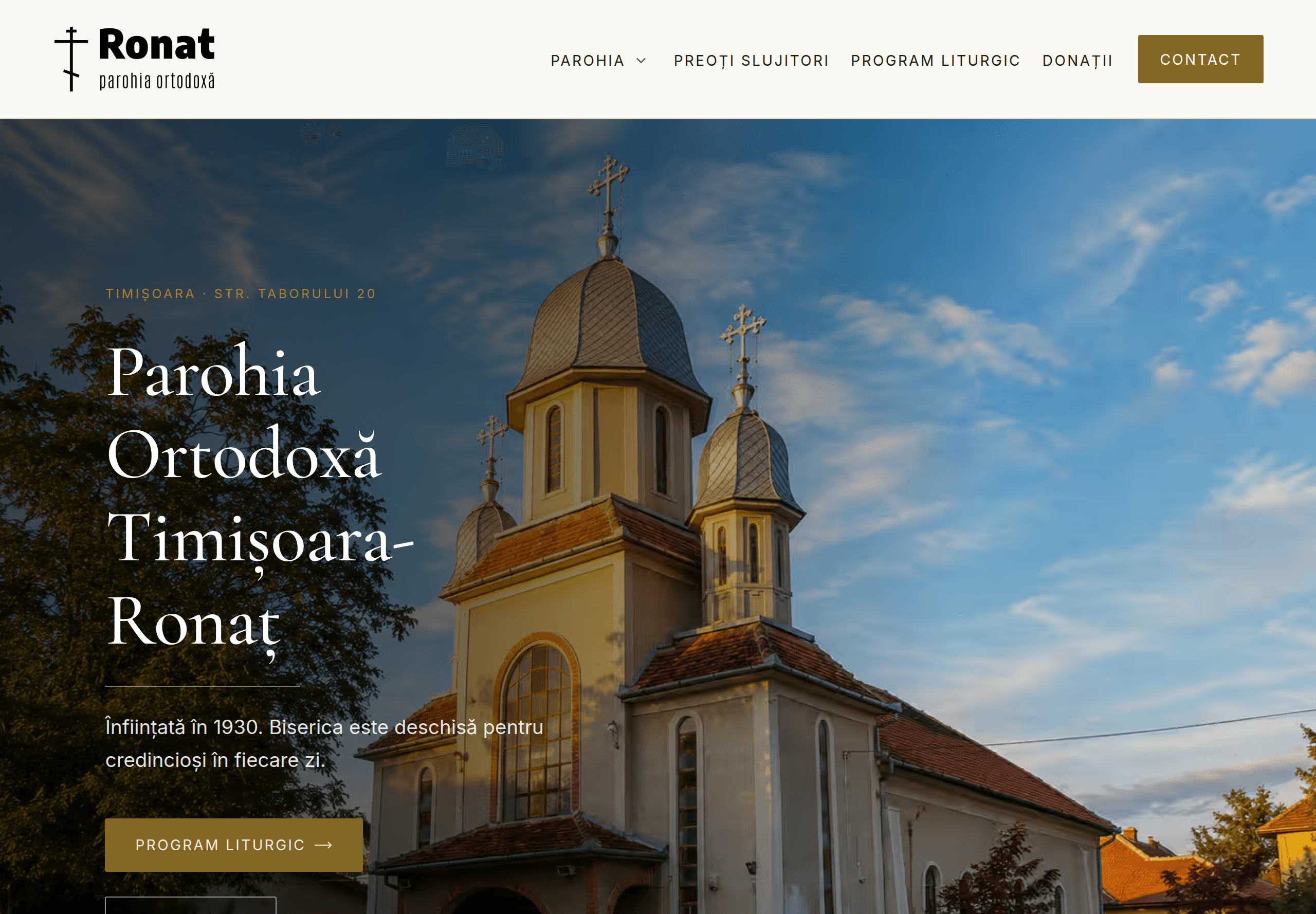
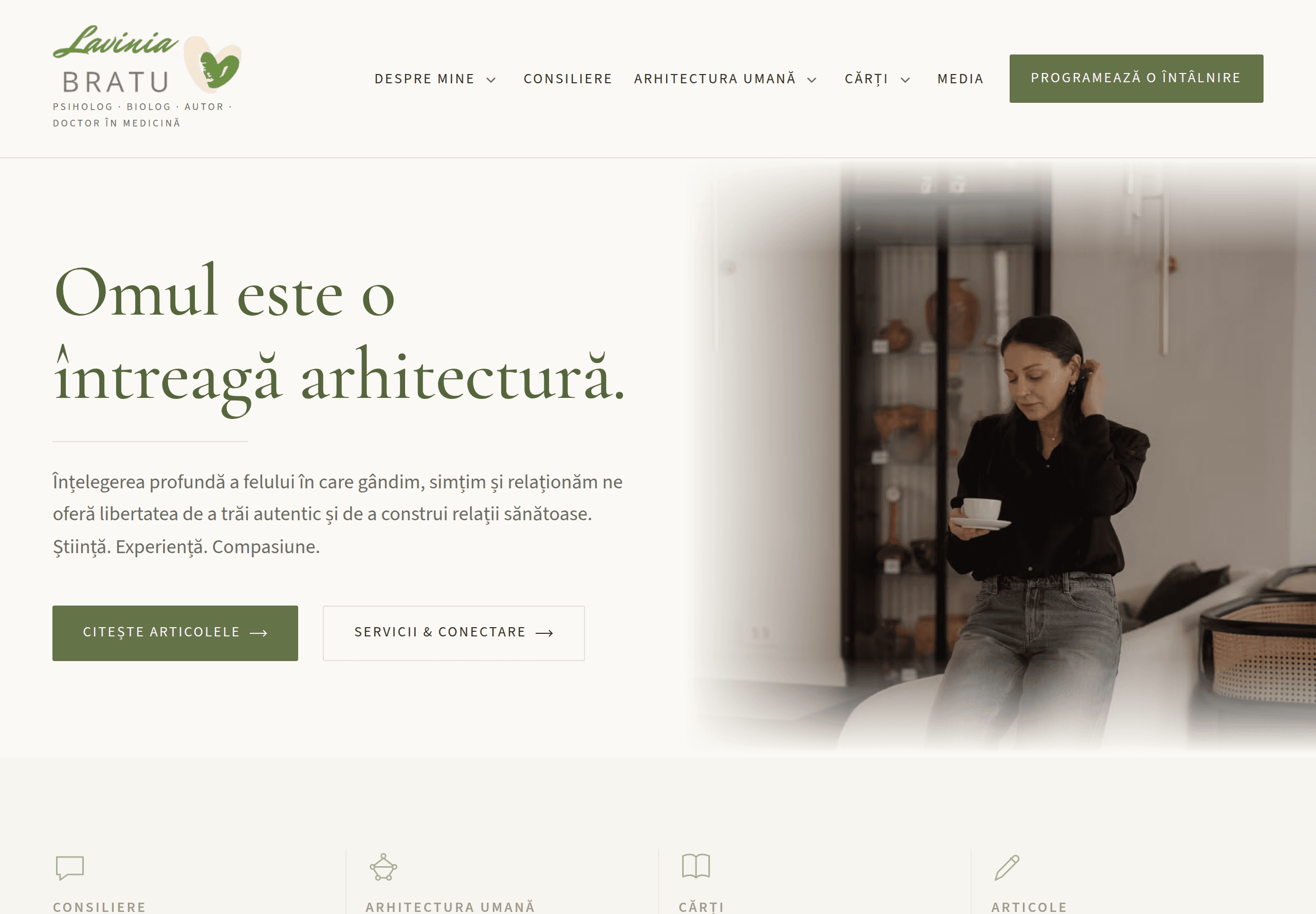
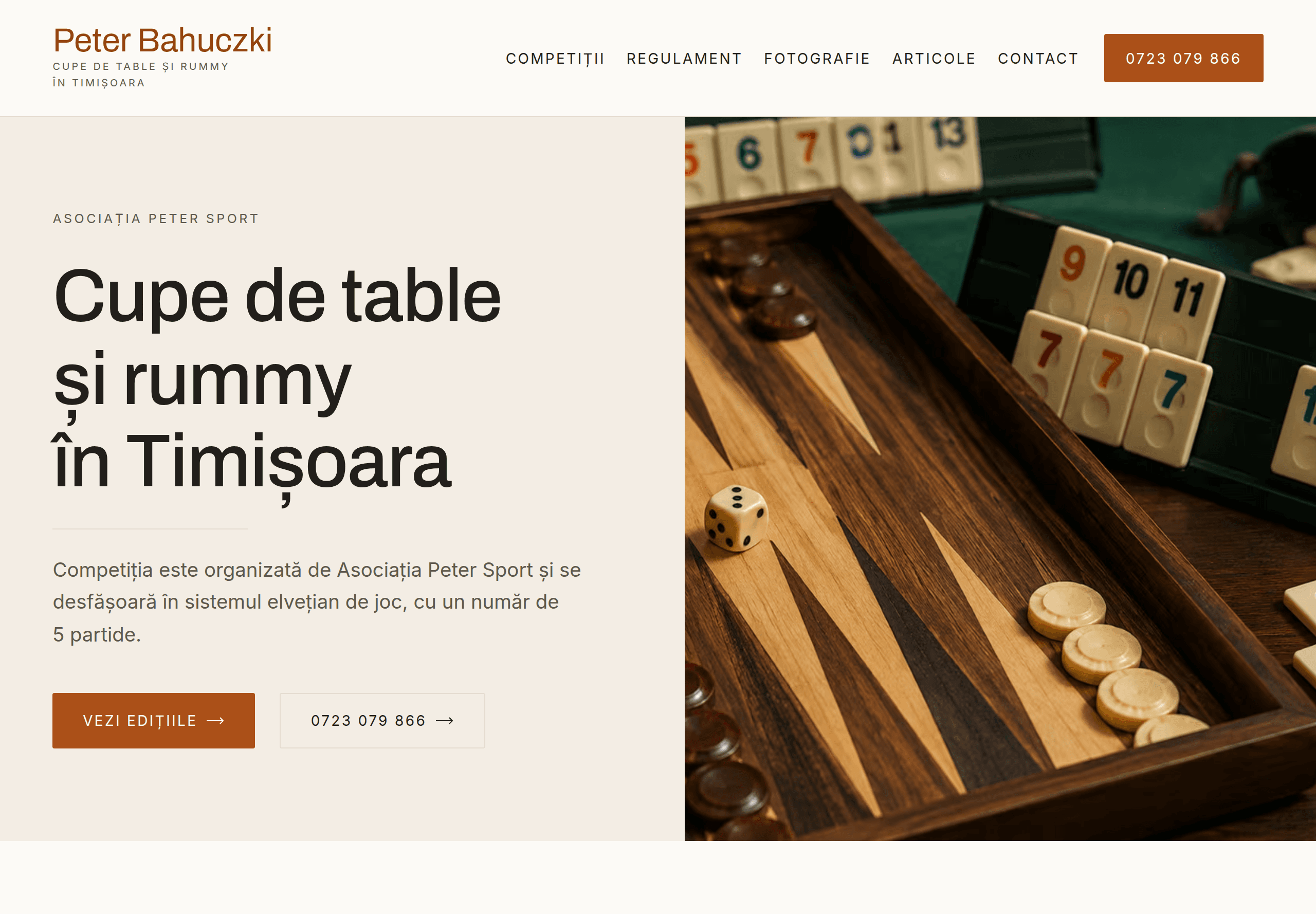
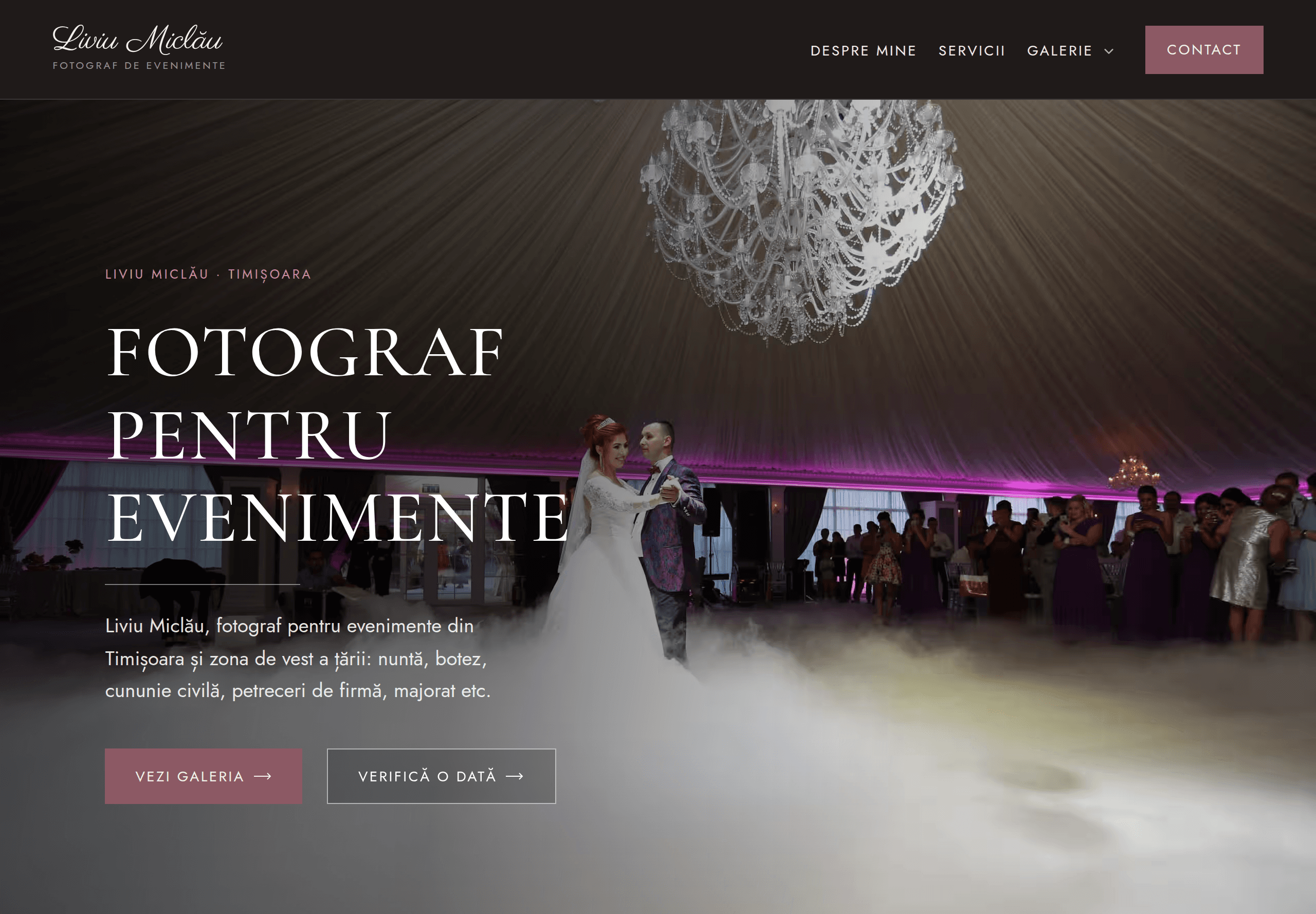
The numbers below are measured on the real sites above, not on a demo page: a site's home page renders in about 0.6 seconds, and an article list with 12 images in 0.65 seconds. The rest depends on the photographs you upload — which is why we compress them automatically.
Same system, different designs